

MMC Pasteur Club
cou
| Sr. No. | Name | Designation | Contact |
|---|---|---|---|
| 1 | MS. NIRANJANA C. MOHAN | Coordinator | niranjana1022000@gmail.com |
Recent Events
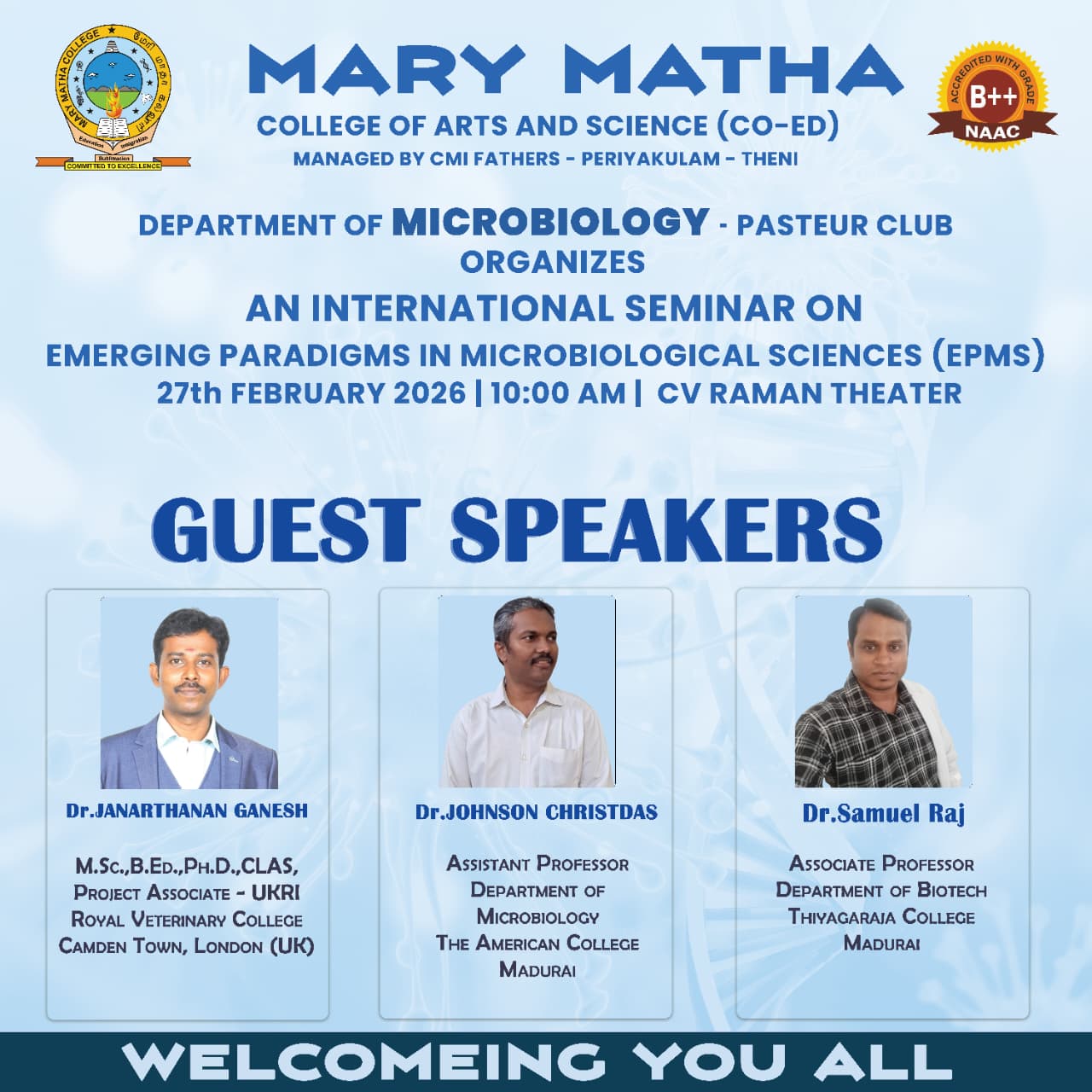
The Pasteur Club of the Department of Microbiology, Mary Matha College of Arts and Science (Co-Ed), affiliated to Madurai Kamaraj University, organized a One-Day International Seminar on “Emerging Paradigms in Microbiological Sciences (EPMS)” on 27th February 2026 at 10.00 A.M. in CV Raman Theatre with the following objectives.
- The main objective was to enhance the knowledge in the field of recrnt advances in Microbiology
- To guide them into research areas in food sciences, Molecular biology
- To enhance knowledge about recent advances and emerging trends in microbiological sciences.
- To create awareness about emerging and re-emerging microbial and viral pathogens affecting global public health. To understand food safety practices and the role of microbiology in preventing food-borne diseases, especially in poultry handling.
- To promote scientific thinking and research interest among students in the field of microbiology and biotechnology.
- To explore innovative applications of microorganisms, such as microbial fuel cells and microbial electrolysis cells for sustainable energy production.
- To encourage interaction between students, researchers, and experts to share knowledge and research experiences in microbiological sciences.
- To highlight the role of microbiologists in disease prevention, environmental protection, and global health preparedness.
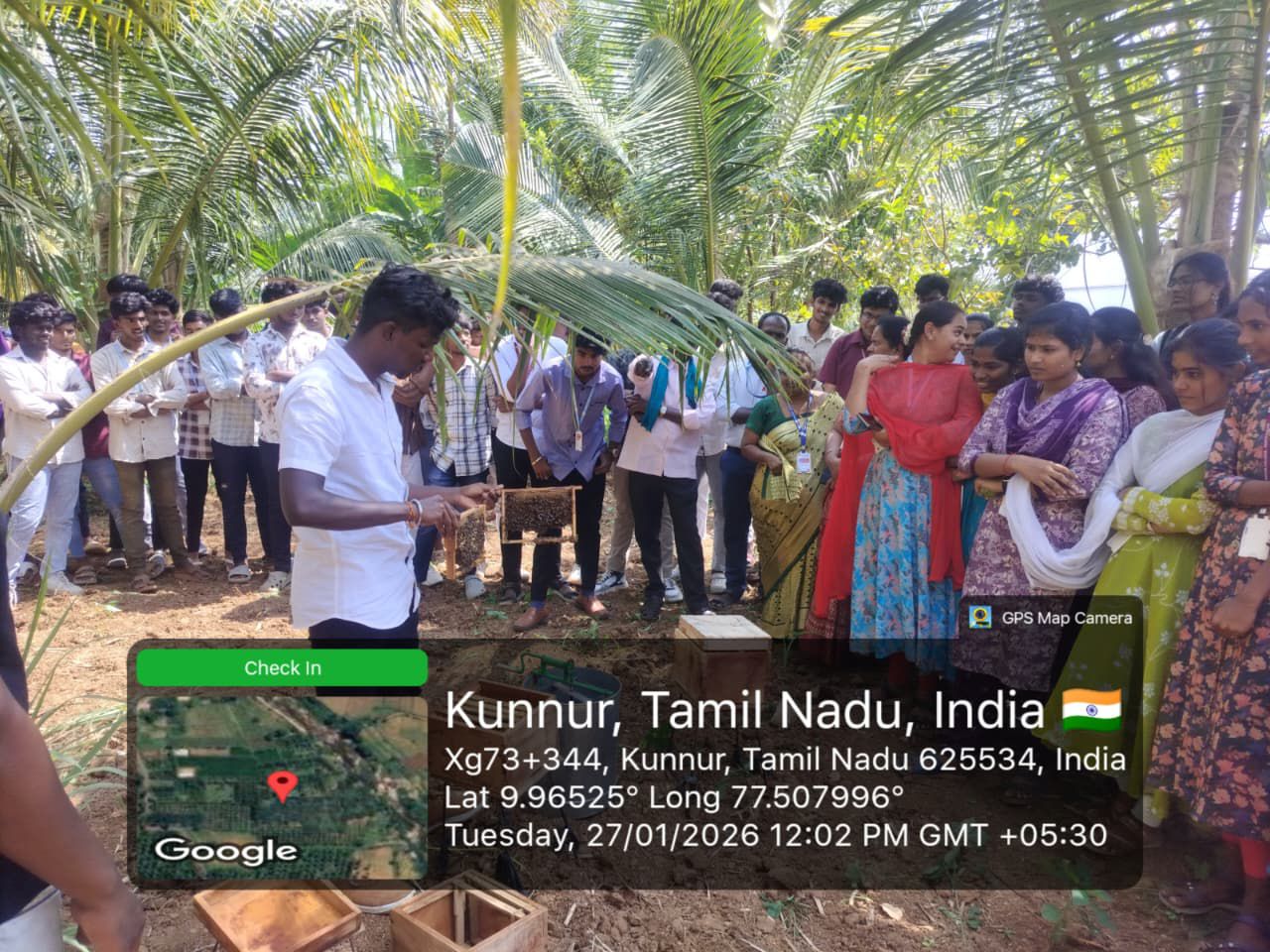
Objective of the Field Visit The primary objective of the field visit was to provide students with practical exposure to sericulture and apiculture practices, thereby bridging the gap between theoretical knowledge and real-world applications.
The visit aimed to enhance students’ understanding of biological processes, sustainable agricultural practices, and their relevance to microbiology and biotechnology.
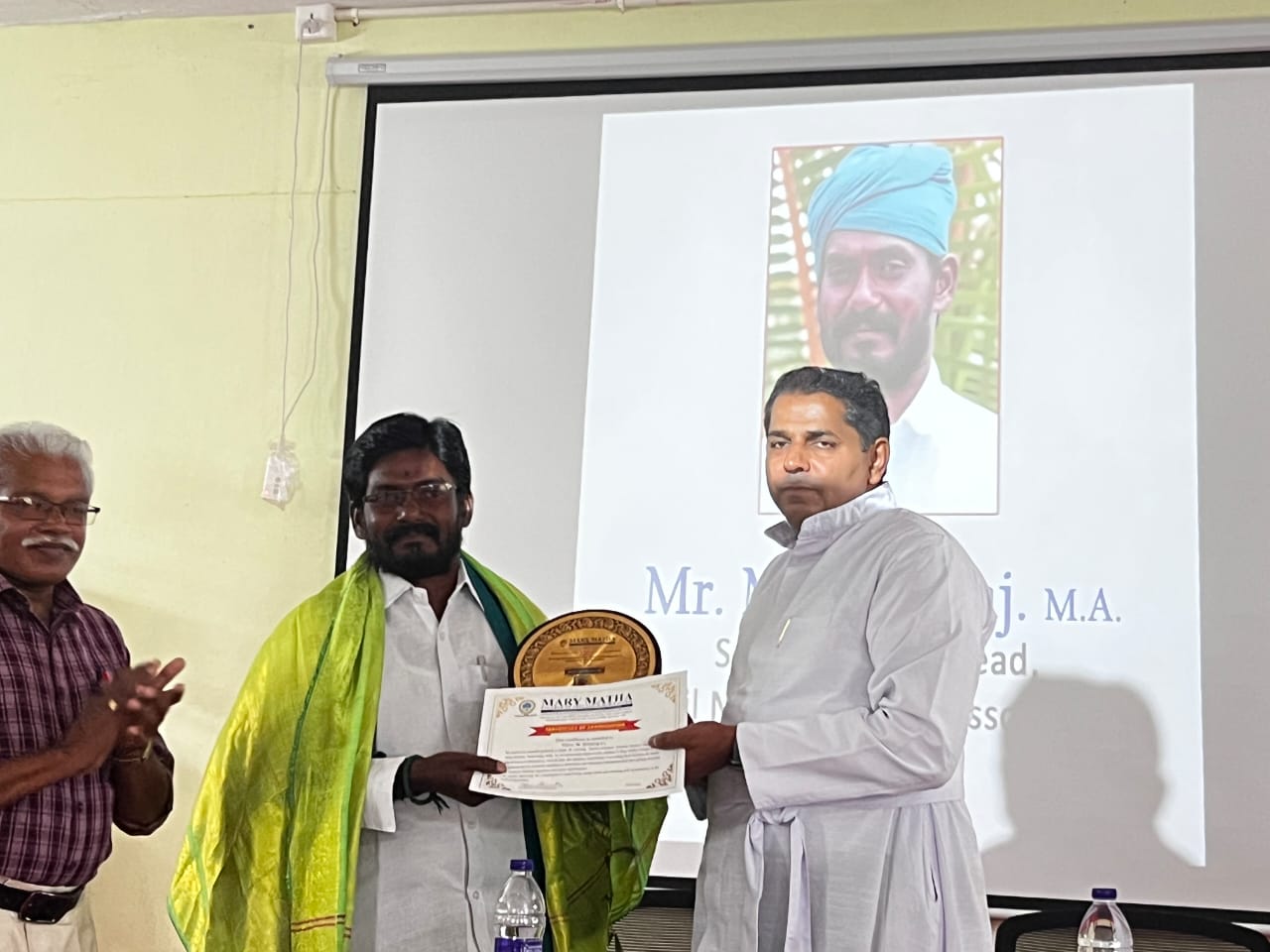
An One-Day Entrepreneurship Training Programme in Sericulture and Apiculture was organized by the Department of Microbiology, Mary Matha College of Arts and Science (Co-Ed) under the Pasteur Club on 12 December, 2025.
The programme was conducted with the objective of creating awareness about self-employment opportunities and encouraging entrepreneurial skills among students in the areas of sericulture and apiculture.
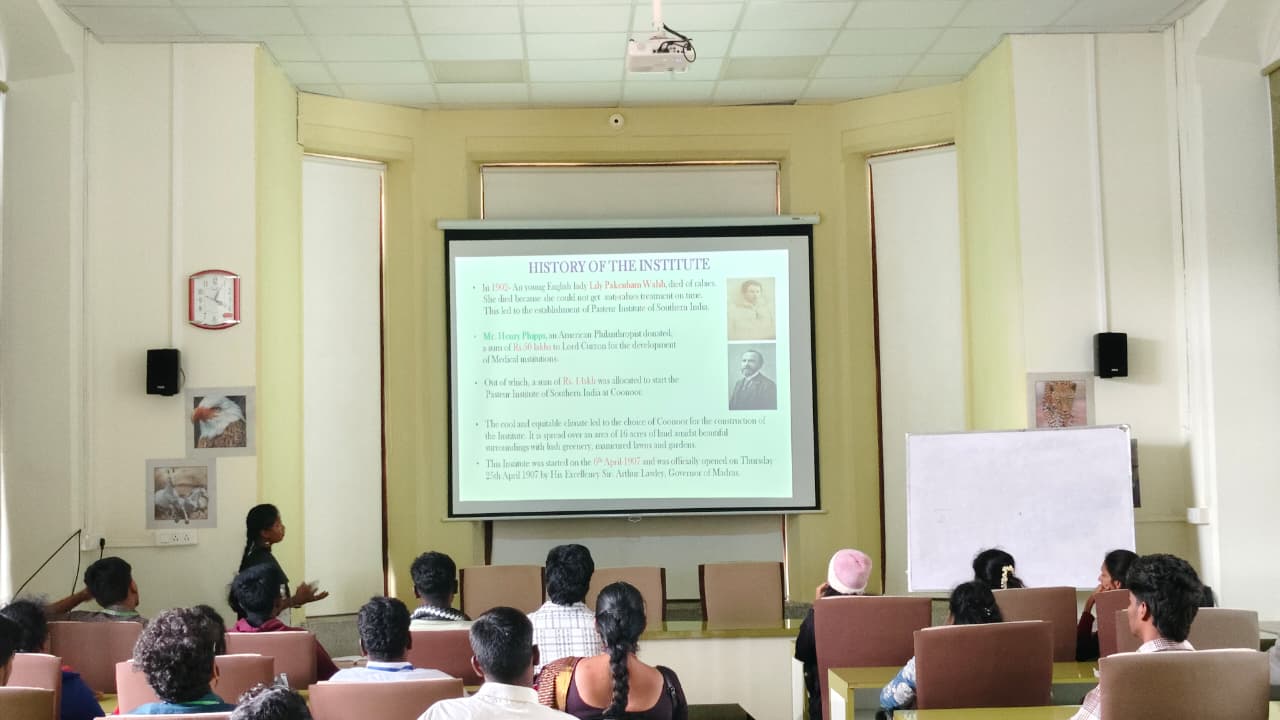
Industrial visit on 29 September, the Microbiology students and staff members undertook an educational visit to the Pasteur Institute, Ooty, as part of our academic curriculum to gain practical exposure and firsthand knowledge of microbiological research, public health services, and diagnostic laboratory practices.
The visit was well planned and aimed at bridging the gap between theoretical learning and real-time laboratory applications.
Upon arrival at the institute, the officials and technical staff, who briefed us about the historical background and importance of the Pasteur Institute in the field of microbiology and public health, warmly received us.
The institute is well known for its contribution to vaccine production, diagnostic services, and research activities, especially in relation to infectious diseases.
The orientation session provided valuable insight into the role of the institute in disease surveillance, prevention, and control at both regional and national levels.
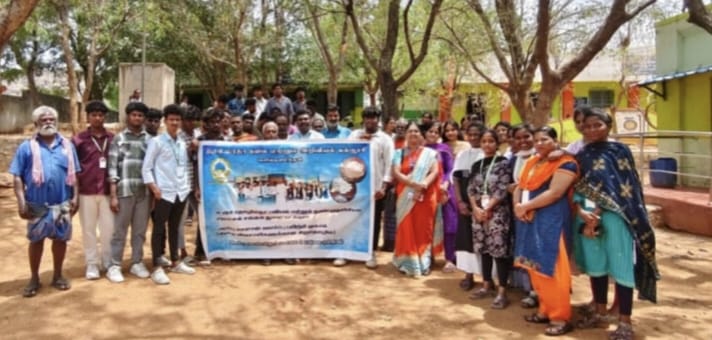
A special training camp on Vermicomposting was conducted on 03rd September 2025 at Kamankallur village, covering the Kadamalai and Mayilai Union areas.
The camp aimed to create awareness among farmers about sustainable agriculture and provide hands-on training in vermicompost preparation.
On behalf of the Department of Microbiology, Mary Matha College of Arts and Science, our team explained the steps of vermicompost preparation and its benefits in simple terms. Farmers were also given practical demonstrations on compost pit preparation, earthworm selection, and compost harvesting.
More than 20 farmers participated enthusiastically and expressed interest in adopting vermicomposting as an eco-friendly, low-cost practice to improve soil health and crop yield.